
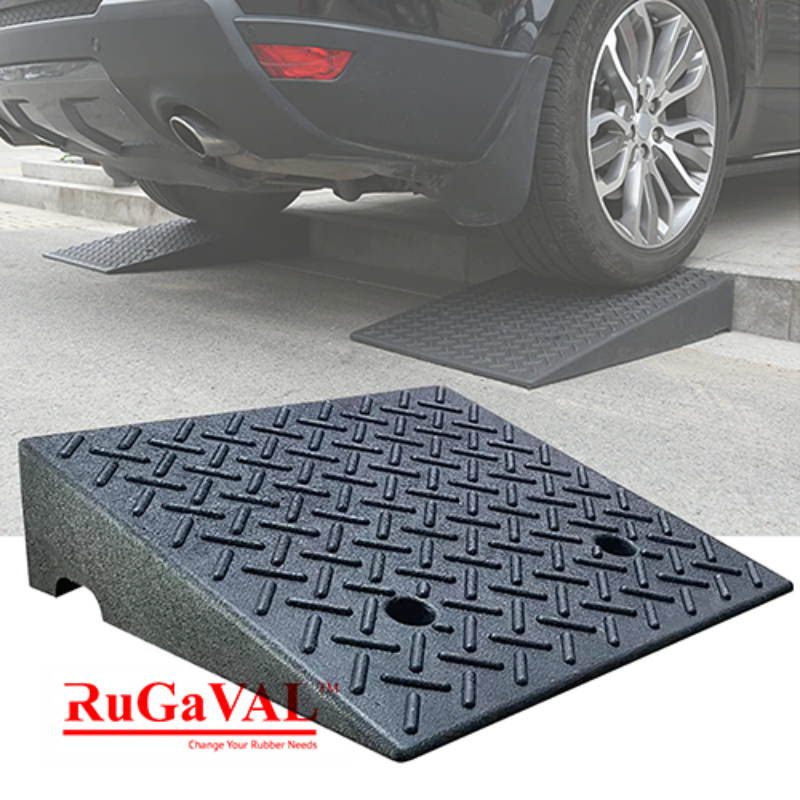
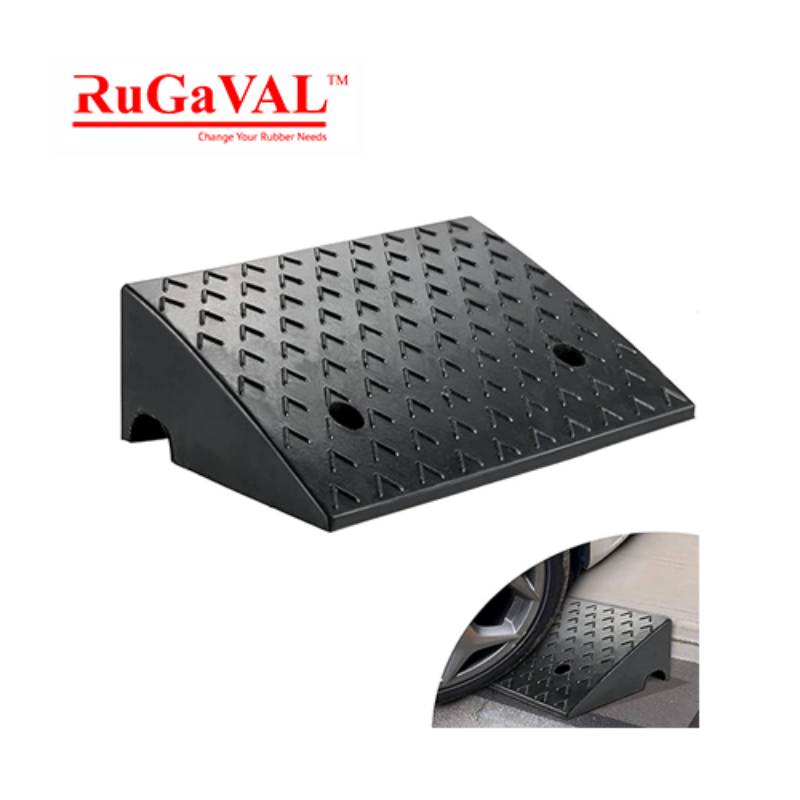
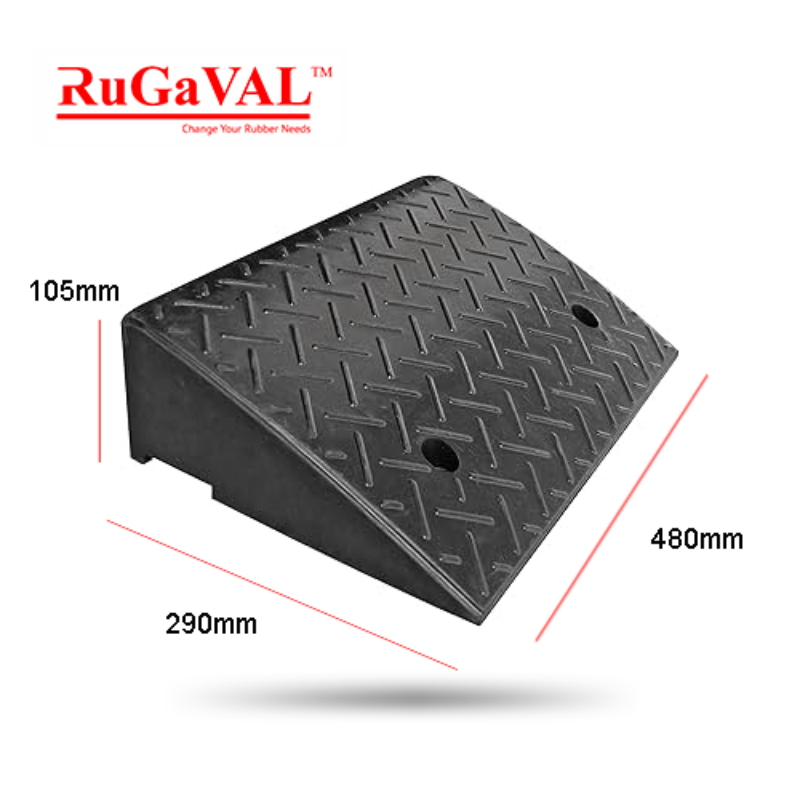
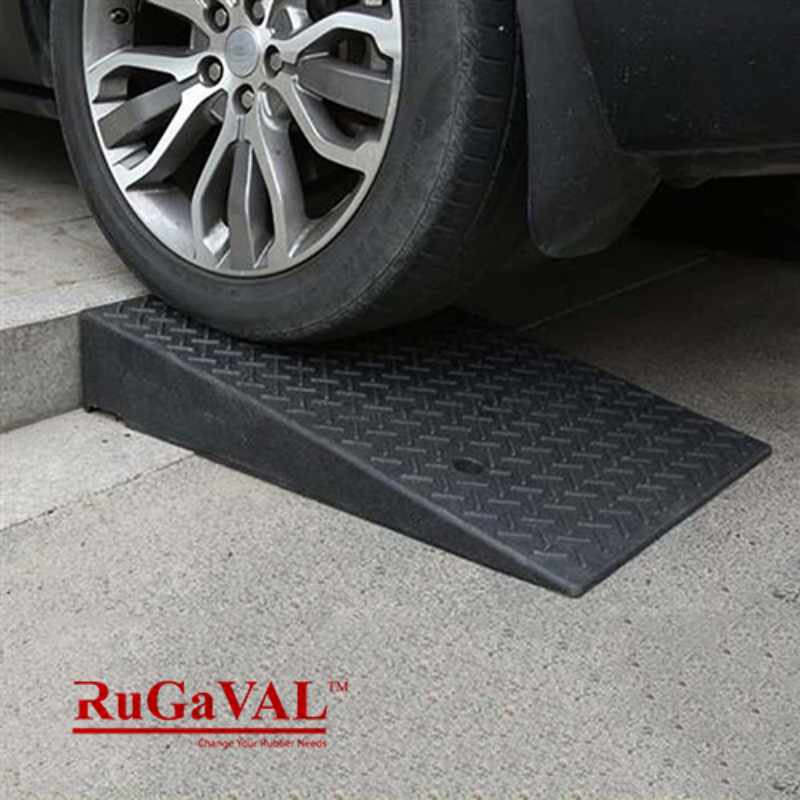
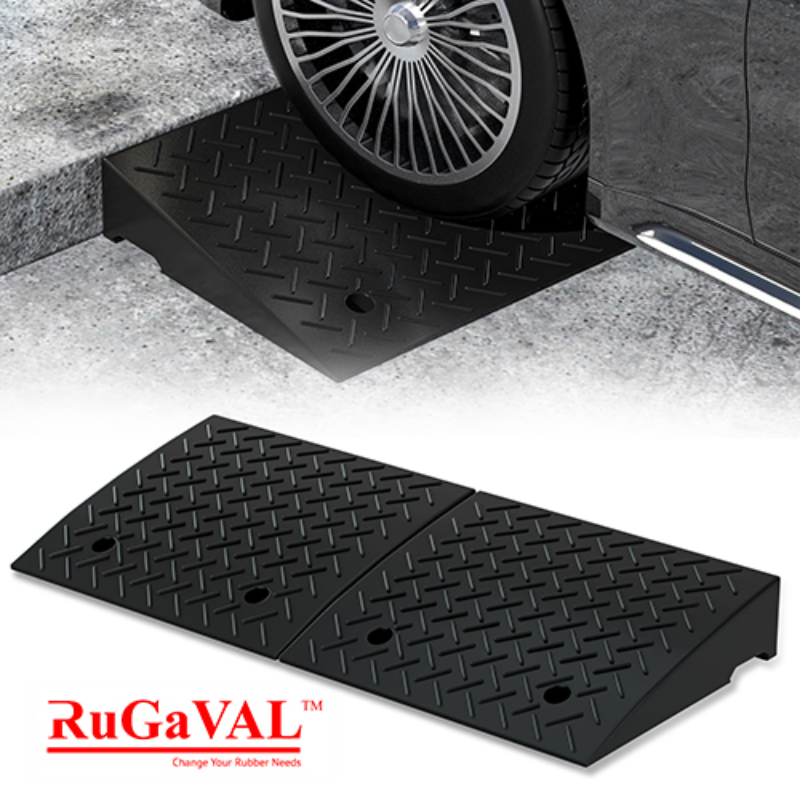
Product Description
forklift curb ramp | warehouse ramp rubber | loading dock curb ramp | rubber parking ramp | car driveway bridge
Rubber Curb Ramp (Driveway Curb Ramp) – Ultra Heavy-Duty Engineered Access System
A rubber curb ramp is not just a simple slope—it is a precision-engineered load distribution system designed to eliminate vertical discontinuities between road surfaces and access points. These ramps are developed using advanced elastomer engineering to ensure optimal impact absorption, load transfer, and long-term structural stability under dynamic and static loads.
They are essential in modern infrastructure where vehicle protection, accessibility compliance, and operational efficiency are critical.
Engineering Structure & Load Mechanics
1. Load Distribution Technology
Rubber curb ramps are engineered to redistribute point loads into uniform surface loads, preventing stress concentration.
How it works:
- Vehicle weight transfers from tire → ramp surface → base contact area
- Internal rubber elasticity disperses force laterally
- Reduces peak pressure on both vehicle and ground
Result:
- Eliminates sudden impact shock
- Protects suspension systems
- Prevents micro-damage accumulation
2. Progressive Compression System
Unlike rigid ramps, rubber curb ramps utilize progressive compression behavior:
- Initial contact → soft compression
- Full load → increased resistance
- Load release → immediate shape recovery
This ensures:
- Smooth vehicle transition
- No “hard impact” effect
- Reduced vibration transfer
3. Structural Integrity Design
High-performance models incorporate:
- Solid-core or honeycomb internal structures
- Reinforced load-bearing zones
- Anti-deformation geometry
These features prevent:
- Sagging under heavy loads
- Permanent deformation
- Structural fatigue over time
Advanced Material Composition
1. Rubber Compound Engineering
Premium curb ramps are manufactured using:
SBR (Styrene-Butadiene Rubber)
- High abrasion resistance
- Cost-effective durability
- Excellent load-bearing capability
EPDM (Ethylene Propylene Diene Monomer)
- UV resistant
- Weatherproof
- Resistant to ozone and oxidation
Recycled Rubber Blends
- Eco-friendly
- High density
- Sustainable material solution
2. Material Performance Properties
| Property | Performance |
|---|---|
| Hardness | 65–85 Shore A |
| Tensile Strength | High |
| Compression Set | Low |
| Elastic Recovery | ممتاز (Excellent) |
| Temperature Resistance | -40°C to +120°C |
| Chemical Resistance | Oil, grease, water resistant |
3. Anti-Degradation Capabilities
Rubber curb ramps are designed to resist:
- UV radiation (no cracking or fading)
- Oil and fuel exposure
- Moisture and flooding
- Thermal expansion and contraction
Surface Engineering & Safety Optimization
1. Multi-Layer Anti-Slip System
Surface designs include:
- Micro-textured top layer for tire grip
- Deep groove channels for water dispersion
- Friction-enhancing rubber compounds
Performance Outcome:
- Maximum traction in wet conditions
- Reduced braking distance
- Enhanced pedestrian safety
2. Water Flow & Drainage Engineering
Integrated hydraulic design includes:
- Longitudinal drainage channels
- Hollow underside water pathways
Benefits:
- Prevents water stagnation
- Eliminates hydrostatic pressure buildup
- Maintains surface dryness
3. Noise & Vibration Dampening
Rubber naturally absorbs:
- Impact noise
- Tire friction sound
- Vibration from heavy vehicles
This makes it ideal for:
- Residential areas
- Hospitals
- Commercial zones requiring low noise
Dimensional Engineering & Customization
Standard Specifications
| Height | Application |
|---|---|
| 50mm | Low curb transitions |
| 75mm | Standard residential use |
| 100mm | Commercial driveways |
| 150mm+ | Industrial heavy-duty |
Width & Length
- Modular segments (interlocking system)
- Custom continuous designs
- Adjustable configurations for wide entrances
Custom Engineering Options
- Custom slope angle optimization
- Embedded steel reinforcement (ultra-heavy duty)
- Reflective safety strip integration
- Company logo embossing
- Custom color coding (safety compliance)
Installation Engineering Methods
1. Free-Lay System (Portable)
- Gravity-based placement
- No surface modification
- Ideal for temporary use
2. Mechanical Anchoring System
- Pre-drilled mounting holes
- Bolted to concrete or asphalt
- Anti-movement stability
3. Hybrid Installation
- Combination of weight + anchoring
- Maximum load resistance
- Suitable for high-traffic areas
Application Engineering Analysis
1. Automotive Sector
- Protects sports cars and EVs
- Prevents splitter and battery damage
- Improves driving comfort
2. Industrial Logistics
- Enables forklift and pallet jack access
- Reduces equipment wear
- Improves workflow efficiency
3. Construction & Infrastructure
- Temporary road bridging
- Heavy equipment access
- Site safety improvement
4. Accessibility Compliance
- Wheelchair-friendly gradients
- ADA-style accessibility support
- Smooth mobility transitions
Comparative Engineering Advantage
| Parameter | Rubber Ramp | Concrete | Steel |
|---|---|---|---|
| Impact Absorption | Excellent | None | Low |
| Flexibility | High | None | Very Low |
| Installation | Fast | Permanent | Moderate |
| Maintenance | Minimal | High | Medium |
| Durability | Long-term | Crack-prone | Corrosion risk |
| Safety | High | Medium | Low |
Lifecycle & Cost Efficiency
Long-Term Performance Benefits
- Service life: 5–10+ years
- Minimal maintenance required
- No cracking or chipping
Cost Advantages
- Lower installation cost
- Reduced vehicle repair costs
- Reusable and relocatable
Environmental & Sustainability Impact
Rubber curb ramps support sustainability by:
- Utilizing recycled tire rubber
- Reducing landfill waste
- Lower carbon footprint vs concrete
They are aligned with:
- Green building initiatives
- Sustainable infrastructure development
Failure Prevention & Quality Assurance
High-quality rubber curb ramps are tested for:
- Load-bearing capacity
- Compression resistance
- Slip resistance
- Weather durability
Common low-quality failures to avoid:
- Surface cracking
- Load collapse
- Slippery finish
- Poor drainage design
High-Intent Commercial Benefits
Using rubber curb ramps provides:
- Reduced liability risks
- Improved traffic flow
- Enhanced customer accessibility
- Professional infrastructure appearance
Conclusion – Ultimate Performance Solution
Rubber curb ramps represent a fusion of material science, engineering precision, and real-world functionality. Their ability to handle extreme loads, absorb impact, and provide safe transitions makes them an indispensable solution across all industries.
They are not just ramps—they are critical infrastructure components designed to protect assets, improve safety, and optimize operational efficiency.
Contact Details
forklift curb ramp | warehouse ramp rubber | loading dock curb ramp | rubber parking ramp | car driveway bridge
| Supplier | : | Rugaval Rubber Sdn Bhd |
| : | rugavalrubber@gmail.com | |
| Phone | : | 60351918961 |
| Fax | : | 60351915961 |
| Location | : | Selangor, Malaysia |
Enquiry Box
Other Products
 Loading...Please Wait.